


House removals on Stratford High Street E15
Posted on 12/08/2026

Moving home on Stratford High Street can feel straightforward on paper and a bit chaotic in real life. Traffic builds, parking is never quite as generous as you hoped, and the last boxes always seem to appear at the worst possible moment. That is exactly why well-planned House removals on Stratford High Street E15 matter: they help you move with less stress, fewer surprises, and a lot more control over the day.
Whether you are leaving a terrace, a maisonette, a modern apartment, or a larger family property nearby, the same basics apply. You need a team that knows how to handle access, timing, loading, protection, and the small local details that can make or break a move. In this guide, we will walk through how the process works, what to expect, and how to avoid the common mistakes that turn a move into a long, tired, slightly miserable Saturday. Let's make it easier.
Quick takeaway: a good house move on Stratford High Street is not just about a van and a few strong arms. It is about planning, building access, packing discipline, sensible timing, and choosing a removal setup that fits the property and the street.
Why House removals on Stratford High Street E15 Matters
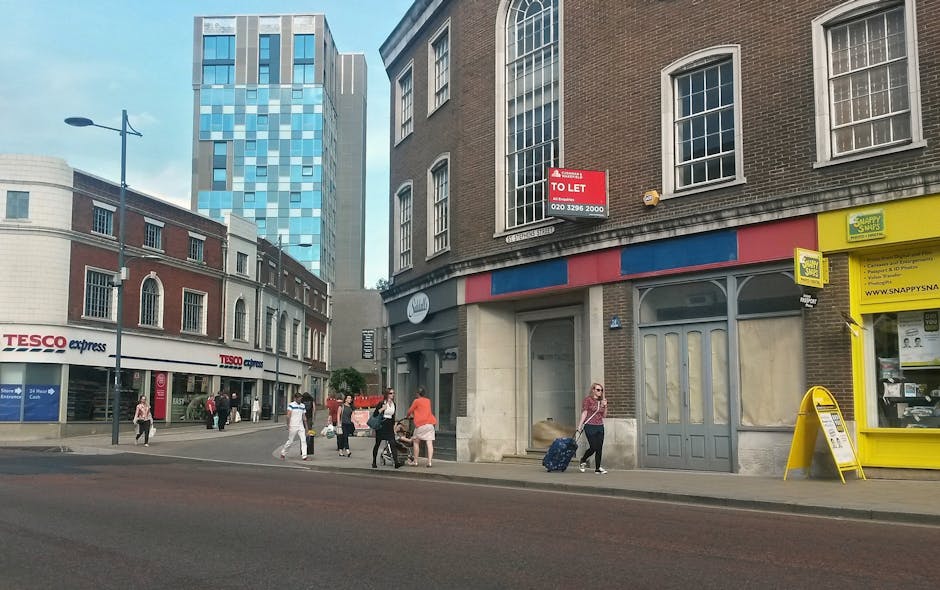
Stratford High Street sits in a busy part of East London, where daily movement, deliveries, commuters, and local traffic all compete for space. That makes house removals here a little more demanding than a quiet suburban move. You do not need drama. You need coordination.
In practical terms, the street and surrounding roads can affect almost everything: where the vehicle stops, how long loading takes, whether larger furniture needs to be carried further than expected, and how carefully the move has to be timed around neighbours and road conditions. If you have ever tried to carry a sofa through a narrow hallway while someone is holding a door open and a bus is idling outside, you already know the sort of thing we mean.
This is also an area where property types vary. Some homes have direct access and simpler loading. Others involve shared entrances, upper floors, or tight stairways. That mix means a one-size-fits-all approach is rarely the best option. A proper removal plan should be shaped around the actual property, not just the postcode.
There is another reason this matters. A move is often tied to a bigger life change - selling, buying, upgrading, downsizing, or starting again. If the logistics go smoothly, everything else feels more manageable. If they go badly, the whole day can feel uphill. To be fair, that is the difference many people notice only once the boxes are already stacked by the front door.
If you want a broader look at the area itself, this Stratford area guide gives useful local context, while resident tips on living in Stratford can help if your move is part of a bigger lifestyle decision.
How House removals on Stratford High Street E15 Works
Most house removals follow a simple structure, even if the details change from job to job. The point is to reduce handling risk, save time, and move items in a sequence that makes sense.
1. Survey and planning
The move begins with assessing what needs to go, how much there is, and what access looks like at both ends. That could include parking distance, stairs, lift access, doorway width, and any awkward items. A good mover will also ask about delicate furniture, dismantling needs, and whether anything requires special handling.
2. Packing and protection
Before moving day, items should be boxed, wrapped, labelled, and protected properly. Mattresses, mirrors, glass tables, and wardrobes need more care than a box of books. Good packing is not glamorous, but it saves time later and reduces the chance of damage. It really does.
3. Loading the vehicle
On the day, the team loads the van methodically, usually starting with the heaviest and most stable items. Sofas, appliances, and large furniture tend to go in first, then boxes and softer items fill the gaps. Proper loading matters because a badly stacked van can shift in transit, which is the last thing anyone wants.
4. Transport and delivery
After loading, the vehicle travels to the new address, where everything is unloaded in the agreed order. If you have asked for room-by-room placement, that can save you a lot of effort later. It sounds small. It is not small on moving day.
5. Reassembly and final checks
Bed frames, tables, wardrobes, and other dismantled furniture can often be reassembled if this has been arranged in advance. Then comes a final sweep: checking for overlooked items, confirming nothing is left behind, and making sure the property is left tidy enough for the next stage.
For a wider look at service types, you may find the services overview useful, especially if you are comparing a full house move with a lighter man-and-van style arrangement.
Key Benefits and Practical Advantages
A well-run house removal is not only about lifting boxes. It creates breathing room when you probably need it most. Here are the main practical advantages.
- Less physical strain: heavy lifting, awkward angles, and repeated carrying are handled more safely.
- Better time control: a planned move is usually faster and easier to coordinate.
- Reduced damage risk: protected items and careful loading lower the chance of knocks and scrapes.
- More predictable moving day: with a clear plan, you are less likely to panic when the clock starts ticking.
- Useful support for larger homes: if there are multiple bedrooms, bulky furniture, or mixed item types, a removal team can keep things moving.
- Less stress for families and busy households: if you have children, pets, or work commitments, outsourcing the heavy work makes sense.
Another quiet advantage is mental clarity. Once the move is organised, your head frees up for the stuff that actually needs your attention: keys, utilities, travel timing, school runs, and all the admin that somehow appears from nowhere.
There is also value in matching the move style to the property. For example, if your home includes a lot of furniture, the specialised approach of furniture removals in Stratford may suit better than a basic transport-only service. If your move is smaller or simpler, man and van support in Stratford could be the more efficient fit.
Who This Is For and When It Makes Sense
House removals on Stratford High Street E15 make sense for a wide range of people, but they are especially useful if your move involves more than a few boxes and a hatchback's worth of belongings.
- Families moving within Stratford or beyond: when there are beds, wardrobes, toys, kitchen gear, and the odd bike, the job adds up quickly.
- Homeowners selling and buying on a tight timeline: moving dates do not always line up neatly. You already know that, unfortunately.
- Renters upgrading to a larger property: especially where furnishings or appliances need care.
- Downsizers: when deciding what stays, what goes, and what goes into storage.
- People with bulky or fragile items: such as mirrors, artwork, pianos, or heavy furniture.
- Anyone who simply does not want a DIY moving day: fair enough.
If your move is part of a property sale, it may help to read selling property tips for Stratford. If you are still deciding whether the area suits your lifestyle long term, the article on real estate investment in Stratford gives another useful angle.
And if your move has to happen very quickly, same-day or short-notice support can matter a lot. It is not ideal every time, but sometimes the timetable has other plans. Life happens.
Step-by-Step Guidance
Here is a practical way to organise your move without turning it into a week of half-finished boxes and forgotten chargers.
- Book early if possible. The sooner you secure a moving slot, the easier it is to get the timing you want.
- Make a room-by-room inventory. It sounds basic, but it helps you estimate volume, time, and packing needs properly.
- Separate essentials. Keep documents, keys, toiletries, medication, and one change of clothes somewhere you can reach them fast.
- Measure awkward items. Sofas, wardrobes, headboards, and large white goods often need a bit of pre-planning.
- Confirm access at both addresses. Check parking, stairs, lift use, and any restrictions on arrival.
- Label boxes clearly. A simple label like "kitchen - fragile" will save time later.
- Dismantle furniture where needed. Beds and tables are often easier to move in pieces.
- Protect floors and door frames. This is one of those small things people ignore until they hear a scrape. Then it matters a lot.
- Do a final walk-through. Cupboards, loft spaces, under beds, behind doors. People always forget something small.
- Settle in with the basics first. Bed, kettle, phone charger. Everything else can wait a minute.
If packing feels like the biggest hurdle, a dedicated packing and boxes service can reduce the workload and make the move feel far more controlled. For some households, that is the difference between calm and chaos.
Expert Tips for Better Results
In our experience, the smoothest moves are rarely the fanciest ones. They are the ones where people make a few sensible decisions early and stick to them.
Keep fragile items separate from general packing
Do not bury fragile items in a mixed box just because there was room. Glassware, lamps, picture frames, and ceramics deserve their own protection. A box that is full is not always a good box.
Plan around traffic and building access
On Stratford High Street, timing matters. A short delay can ripple through the whole day, especially if parking access is tight or building entry needs coordination. Morning slots can sometimes feel less chaotic than later ones, though that depends on the day and the area.
Use colour labels if the move is large
For larger family homes, colour-coding rooms can be easier than writing everything out. Blue for kitchen, green for bedrooms, red for living room. Simple. Old-school, even. But effective.
Tell the mover about tricky items upfront
Staircases, pianos, oversized sofas, and large mirrors should not be a surprise on the day. If something is awkward, say so early. You will save time and probably a headache or two.
Keep a "first night" box
This should include chargers, tea bags, mugs, snacks, toilet paper, pain relief, and basic toiletries. It sounds almost silly until the evening arrives and you are rummaging through a box marked "miscellaneous" like a detective in socks.
For higher-value or specialist items, you may also want to look at piano removals in Stratford or check the reassurance offered by insurance and safety guidance. It is better to ask the careful questions early than wish you had later.
Common Mistakes to Avoid
A lot of moving-day pain comes from very ordinary mistakes. Nothing dramatic. Just the sort of stuff people tell themselves they will sort later, then never quite do.
- Leaving packing until the last minute: this leads to overfilled boxes, poor labelling, and a stressful morning.
- Underestimating how much there is: cupboards are sneaky. They hold more than they look like they do.
- Forgetting access restrictions: if parking or entry is awkward, the move can slow down fast.
- Not measuring furniture: a sofa that fits your current lounge may not glide through every doorway you meet.
- Mixing essentials with non-essentials: this is how you end up searching for your toothbrush under a heap of books.
- Failing to communicate special handling needs: if something needs extra care, the team should know before loading begins.
- Choosing purely on price: the cheapest quote can become expensive if the service is thin or unclear.
One small but common issue is assuming that "house move" and "flat move" are always basically the same. They are not. Access, stair use, parking, and item handling can differ quite a bit. If you are comparing property types or move sizes, the page on flat removals in Stratford can help you see the difference more clearly.
Tools, Resources and Recommendations
You do not need a warehouse of equipment to move well, but a few simple tools make a big difference.
Useful packing and moving basics
- Strong cardboard boxes in several sizes
- Bubble wrap or wrapping paper for fragile items
- Furniture blankets and covers
- Parcel tape and a tape dispenser
- Permanent markers for labelling
- Zip bags for screws, fittings, and small parts
- Door protectors or floor covers where appropriate
Planning aids that help more than people expect
- A written inventory of furniture and boxed items
- A simple room plan for the new property
- Phone reminders for key collection, utility changes, and timing checks
- Photos of cable setups, flat-pack furniture, or appliance connections before dismantling
If you are comparing service styles, the most helpful pages are usually the ones that explain the practical differences rather than just the labels. Removals in Stratford is a useful starting point if you want a general overview, while removal services in Stratford can help you think through what level of support you actually need. If storage is part of the plan, storage options in Stratford may also be worth considering.

Law, Compliance, Standards, or Best Practice
For house removals, the main thing is to work with a provider that handles safety, insurance, and customer information responsibly. You do not need to become a legal expert, but it helps to know what good practice looks like.
In the UK, removal work should be carried out with sensible care for property, people, and vehicles. That includes appropriate handling of heavy items, clear communication about risks, and reasonable steps to avoid damage or injury. If a company says it follows safety procedures, that should mean something concrete: trained handling, route planning, secure loading, and respect for access issues.
It is also good practice for a removal provider to be clear about booking terms, payment handling, cancellation expectations, and complaint routes. Those details may not be exciting, but they matter more than people think. Honestly, they matter a lot when something changes at the last minute.
You may also want to check how the company approaches responsible working practices and waste handling. If you are clearing items you no longer need, the page on recycling and sustainability can be a useful reference point. And for broader trust signals, it is always sensible to review who is behind the business, along with terms and conditions, privacy policy, and payment and security information.
One more thing. If anything in your move is high value, awkward, or time-sensitive, ask direct questions. Good providers will not mind. In fact, the better ones usually prefer it.
Options, Methods, or Comparison Table
Different move setups suit different households. Here is a simple comparison to help you judge what is likely to fit your situation.
| Option | Best for | Pros | Possible limitations |
|---|---|---|---|
| House removals service | Full homes, family moves, larger furniture loads | More support, better handling, less physical effort | Usually needs more planning and coordination |
| Man and van | Smaller moves, lighter loads, short local relocations | Flexible, practical, often quicker to arrange | May be less suitable for large or complex homes |
| Same-day removals | Urgent moves or last-minute changes | Fast turnaround, responsive support | Less choice on timing, needs quick decision-making |
| Storage plus removals | Moves with staging gaps, downsizing, renovation delays | Creates breathing room between move-out and move-in | Requires extra coordination and cost awareness |
If you are still deciding which model fits best, the page on man with a van in Stratford is helpful for lighter jobs, while same-day removals in Stratford makes sense if your timeline is tight. For larger or more formal house moves, the dedicated house removals Stratford page is the closest match.
Case Study or Real-World Example
Picture a family moving from Stratford High Street to a nearby home with a slightly bigger layout. Nothing dramatic, but enough furniture to make a casual DIY move unwise. Two bedrooms, a dining table, a few bookshelves, a sofa, white goods, and a box mountain that starts in the lounge and slowly takes over the hallway. A classic situation, really.
The move goes best when the family packs the essentials separately, flags the larger items in advance, and checks access at both properties before moving day. That means the team can arrive with the right approach, load in the proper order, and avoid time lost to guesswork. The bed frames are dismantled, the glass items are wrapped properly, and the team places boxes into the correct rooms at the new address. By the evening, the important part is done. There is still unpacking, of course. There always is. But the panic is gone.
What tends to make the biggest difference in scenarios like this is not brute force. It is the quiet stuff: clear labels, realistic timing, and a mover that asks the right questions before the truck door closes.
That same principle applies if the move is linked to a nearby location such as removals near Westfield Stratford City, where traffic and access can still influence the day in subtle ways. A little extra planning goes a long way.
Practical Checklist
Use this checklist in the final week before your move. It is simple, but it saves people more often than you would expect.
- Confirm the moving date and time
- Check both addresses for access, parking, and entry details
- Measure bulky furniture and large appliances
- Pack fragile items with extra protection
- Label every box by room and contents
- Set aside essentials for the first night
- Keep keys, documents, and chargers in one safe place
- Dismantle furniture where needed
- Protect floors, walls, and door frames if relevant
- Let the mover know about stairs, lifts, or awkward turns
- Do a final sweep of cupboards, loft spaces, and under beds
- Arrange storage if there is a gap between homes
- Review booking terms and payment details
- Keep snacks and water nearby. Honestly, people forget this all the time.
If you are moving with children or pets, add a small calm-down plan too. A familiar toy, a charged tablet, a safe room, or a trusted adult can make the first few hours much easier.
Get a free quote today and see how much you can save.
Conclusion
House removals on Stratford High Street E15 are easiest when they are treated like a proper project rather than a rushed favour. Plan the packing, think through access, choose the right level of service, and keep the essentials close at hand. That is usually what separates a moving day that feels manageable from one that feels endless.
Stratford is busy, practical, and always on the move itself, so your removal plan should match that pace without becoming frantic. A calm, structured move protects your belongings, your time, and your energy. And that energy matters more than people admit, especially by late afternoon when the last box finally lands in the right room.
If you do one thing after reading this, make it this: start earlier than you think you need to. Future-you will be very grateful. Probably with tea.

